Health Benefits Of Olive Oil
Heart disease is one of the leading causes of death globally, and we’re all looking for ways to keep our hearts in good shape, right? Well, here are the top 10 health benefits of olive oil, which can help.
Extra virgin olive oil, in particular, is rich in monounsaturated fats—these are the good guys that help lower your LDL (bad cholesterol) while keeping your HDL (good cholesterol) steady.
Adding olive oil to your diet can help reduce cholesterol levels, making your heart healthier over time. This is one of the main reasons the Mediterranean diet is known to be so heart-friendly.
Studies have shown that people who consume more olive oil have a lower risk of heart disease. And it’s not just about cholesterol. Olive oil is also packed with powerful antioxidants, especially polyphenols, that help protect your heart from inflammation and oxidative stress—two big contributors to heart disease. Combining healthy dietary fats with evidence-based botanicals like Turmeric Curcumin for joint flexibility provides comprehensive daily support against chronic inflammation. Along with plant-based monounsaturated fats from olive oil, pairing your diet with purified Omega-3 Fish Oil (EPA & DHA) provides the complete spectrum of protective fatty acids for heart and joint health.
So, by simply swapping out unhealthy fats like butter for olive oil in your cooking, you can make a massive difference in your heart health with evoo olive oil.
How Beneficial Huile d’Olive Vierge for Heart 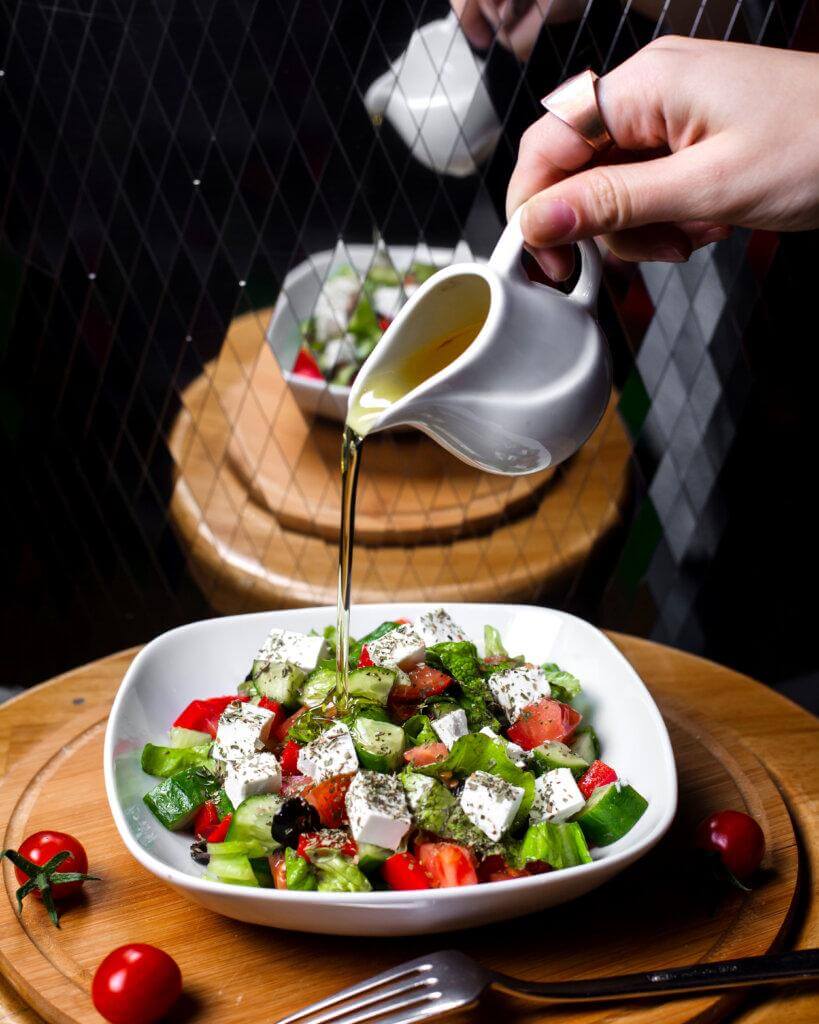
- Drizzle it over your salads as a dressing.
- Use it as a healthy cooking oil for frying or roasting.
- Add a teaspoon to your smoothie for a healthy fat boost.
Remember, just two tablespoons of virgin and extra virgin olive oil a day can provide enough antioxidants and healthy fats to protect your heart. So why not make the switch today?
Benefits of Olive Oil Which Supports Weight Loss and Management
Believe it or not, adding fat to your diet can actually help you lose weight—when it’s the right kind of fat. Many people avoid oils altogether when trying to shed pounds, but olive oil for weight management is a smart choice. It’s rich in healthy fats that help you feel full, so you’re less likely to snack on unhealthy options throughout the day.
Olive oil also boosts your metabolism, helping your body burn calories more efficiently. Plus, since it’s full of antioxidants, it supports overall health while you’re working on your weight loss goals.
How to Incorporate Olive Oil for Weight Loss
- Start your day with a teaspoon of olive oil in warm water—it can help boost your metabolism right from the get-go.
- Use it to sauté veggies instead of butter or other oils.
- Add a drizzle of olive oil to your soups or pasta dishes for added flavor and satiety.
When it comes to losing weight, small changes can lead to big results. So, by simply using olive oil in your meals, you’re not just cutting out bad fats, you’re actively supporting your weight loss efforts.
Types of Olive Oil: Which One is Best for Health?
There’s a widespread belief that all olive oils are created equal, but that’s far from the truth. Not all olive oils offer the same health benefits, flavor profiles, or uses in the kitchen. Knowing which type of olive oil to use can make a big difference in both taste and health outcomes. Let’s dive into the different types of olive oil and figure out which one is the best choice for you.
Extra Virgin Olive Oil (EVOO): The Gold Standard
Extra virgin olive oil, or EVOO, is the highest quality olive oil you can find. It’s cold-pressed, which means it’s extracted without using heat or chemicals, allowing it to retain all its natural nutrients, antioxidants, and flavor.
EVOO is packed with polyphenols—powerful antioxidants that fight inflammation and support heart health. Its rich, robust flavor makes it perfect for drizzling over salads, using as a dipping oil, or as a finishing touch on cooked dishes.
Pros:
Extra virgin olive oil is the most nutritious type of olive oil. Because it’s unrefined, it retains all the heart-healthy fats, antioxidants, and anti-inflammatory properties that olive oil is known for. Plus, it has a strong, natural taste that enhances the flavor of any dish.
Cons:
The main drawback of EVOO is its low smoke point, meaning it’s not the best choice for high-heat cooking like frying. If overheated, it can lose some of its health benefits and develop a bitter taste. It’s also typically more expensive than other types of olive oil.
Verdict:
If you’re looking for the healthiest olive oil with the most flavor, extra virgin olive oil is your best bet. Use it raw for salad dressings, drizzling over cooked vegetables, or dipping bread. For high-heat cooking, however, it’s best to look for a different type of oil.
Virgin Olive Oil: The Close Second
Virgin olive oil is very similar to EVOO but with a slightly higher acidity level, which affects its flavor and overall quality. It’s still cold-pressed and retains many of the nutrients and antioxidants found in extra virgin olive oil, but its taste is milder and less complex. Virgin olive oil is a good choice for sautéing or light cooking and works well in dishes where you want a less prominent olive flavor.
Pros:
Virgin olive oil still has many of the health benefits of extra virgin olive oil, including its heart-healthy fats and antioxidants. It also has a slightly higher smoke point, making it a bit more versatile for cooking at moderate temperatures.
Cons:
While it’s still healthy, virgin olive oil isn’t as rich in nutrients and antioxidants as EVOO. The flavor is also less intense, which can be a downside if you’re using olive oil to enhance a dish’s taste. Like EVOO, it can be more expensive than regular olive oils.
Verdict:
Virgin olive oil is a good middle ground between extra virgin and regular olive oil. It has many of the same health benefits but is better suited for moderate heat cooking. It’s a great option if you want a milder olive oil flavor.
Regular or Pure Olive Oil: Great for Cooking, Not as Nutritious 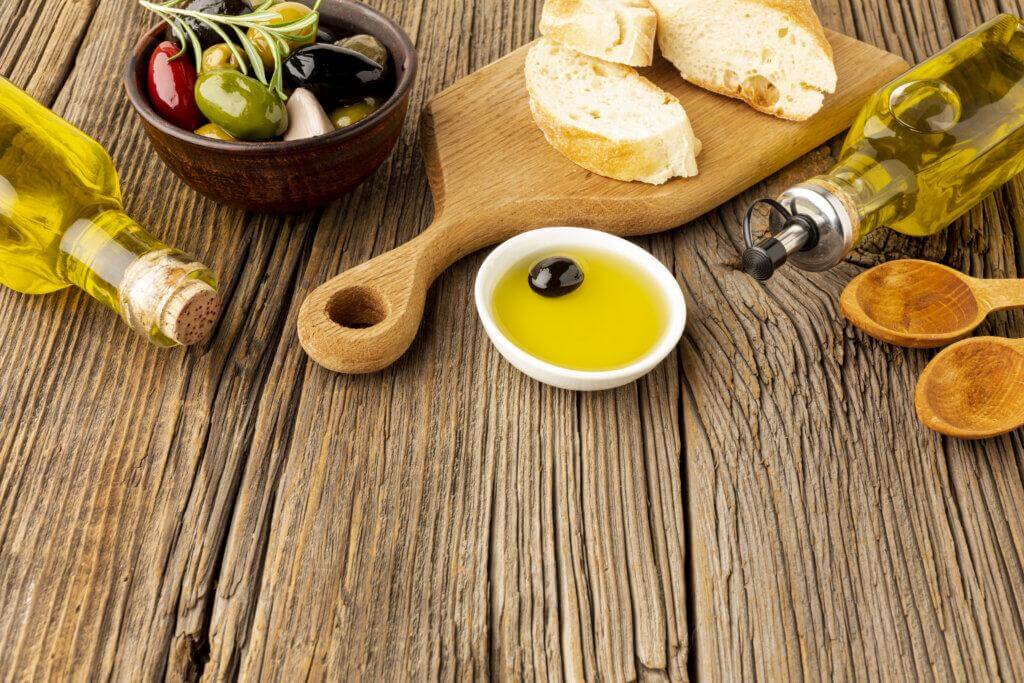
Regular or pure olive oil is a more processed version of olive oil. It’s usually a blend of cold-pressed and processed oils, which means it doesn’t retain the same nutrients or antioxidants as virgin or extra virgin varieties. That said, it’s still a healthier option than many other cooking oils, like vegetable or canola oil. With a higher smoke point, regular olive oil is well-suited for frying, sauteing, and roasting at higher temperatures. Healthy dietary fats also enhance the absorption of fat-soluble vitamins like Vitamin D3 when paired with essential minerals.
Along with extra virgin olive oil, cold-pressed Black Seed Oil (Nigella Sativa) is considered one of nature’s most potent botanical sources of protective antioxidants.
Pros:
The biggest advantage of regular olive oil is its versatility. It can be used for almost any type of cooking, including high-heat frying, without losing its flavor or breaking down. It’s also more affordable than extra virgin olive oil, making it a practical choice for everyday use in the kitchen.
Cons:
Regular olive oil is refined, meaning it’s processed with heat or chemicals, which strips away much of its antioxidants and nutrients. As a result, it doesn’t offer the same health benefits as virgin or extra virgin olive oil. Its flavor is also much milder, which may not add as much depth to dishes.
Verdict:
Regular olive oil is ideal for those who need an affordable, versatile cooking oil. While it doesn’t provide the same health benefits as extra virgin olive oil, it’s still a healthier option than most other processed oils. Use it for high-heat cooking, but turn to EVOO when you want to maximize the health and flavor benefits.
Light or Refined Olive Oil: Best to Avoid
Light or refined olive oil is often misunderstood. Despite the name, it’s not “light” in calories or fat. Instead, it refers to the oil’s lighter flavor and color, resulting from heavy processing. Refined olive oil undergoes chemical treatments to remove impurities, which also strips away most of the antioxidants and nutrients that make olive oil healthy in the first place. Its neutral taste makes it a popular choice for baking or frying where a strong olive flavor isn’t desired, but it doesn’t offer much in terms of health benefits.
Pros:
Light olive oil has a very high smoke point, making it suitable for high-temperature cooking and frying. Its neutral taste makes it versatile for dishes where you don’t want the flavor of olive oil to dominate. It’s also typically less expensive than higher-quality olive oils.
Cons:
Refined olive oil offers very few health benefits compared to extra virgin or virgin olive oils. The chemical processing it undergoes removes most of the nutrients and antioxidants. Plus, it doesn’t have the rich, robust flavor that many people look for in olive oil.
Verdict:
Light or refined olive oil is best used for high-heat cooking or when you want an oil with a neutral taste. However, if you’re trying to get the health benefits of olive oil, this isn’t the best option. Whenever possible, stick with extra virgin or virgin olive oils.
Final Verdict: Which Olive Oil Should You Use?
When it comes to choosing the right olive oil, it all depends on how you plan to use it. If your goal is to maximize the health benefits and enjoy the rich flavor of olive oil, extra virgin olive oil is the clear winner. It’s loaded with antioxidants and healthy fats, making it the best choice for drizzling, dipping, and finishing dishes.
For cooking at moderate temperatures, virgin olive oil is a solid option, offering many of the same benefits but with a milder taste.
If you’re looking for a versatile, budget-friendly oil for high-heat cooking, regular olive oil will do the job without breaking the bank. However, if you’re aiming for the best health benefits, it’s worth investing in higher-quality oils like EVOO.
As for light or refined olive oil, it’s best to save it for specific high-heat uses or when you need an oil with a neutral flavor, but don’t rely on it for its health properties.
In short, for everyday use and optimal health, extra virgin olive oil reigns supreme. But, having a bottle of regular olive oil on hand for cooking at higher temperatures can be useful.
Olive Oil for Skin and Hair: More Than Just a Cooking Ingredient
Most people think of olive oil as something you only use in the kitchen, but there’s a whole other side to it that many overlook. Olive oil is not just great for cooking or salads—it’s also a powerful natural remedy for skin and hair.
In fact, people have used olive oil in beauty routines for centuries, and for good reason. From moisturizing dry skin to taming frizzy hair, olive oil offers a range of benefits for your beauty regimen. Let’s dive into how you can use this versatile oil for healthier skin and hair.
Olive Oil for Skin: A Natural Moisturizer 
When it comes to skincare, the idea that oils clog pores and cause breakouts is a common myth. In reality, olive oil is a great natural moisturizer that works wonders for all skin types, even those prone to acne. Extra virgin olive oil is packed with antioxidants, vitamins, and healthy fats, making it a fantastic solution for dry, irritated skin.
The vitamin E in olive oil helps to protect your skin from environmental damage, such as pollution and UV rays, while its natural fatty acids work to lock in moisture. Olive oil also contains squalene, a compound known to hydrate and smooth the skin. Whether you’re dealing with dry patches, fine lines, or dullness, olive oil can give your skin the nourishment it needs.
If you have sensitive skin, you’ll love the soothing properties of olive oil. It’s gentle enough to be used on even the most reactive skin types, reducing redness and irritation without causing any flare-ups.
How to Use Olive Oil on Your Skin
You can easily incorporate olive oil into your skincare routine in a few ways. As a moisturizer, you can apply a small amount of extra virgin olive oil to your face after cleansing. It’s particularly effective when used at night, allowing it to deeply penetrate the skin as you sleep.
Olive oil also works well as a natural makeup remover. It gently dissolves even waterproof makeup without stripping the skin of its natural oils. Simply massage a few drops onto your face and wipe away with a warm cloth.
Olive Oil for Hair: Taming Frizz and Boosting Shine
It’s a common misconception that using oil on your hair will make it greasy. Olive oil can be the secret weapon your hair needs to combat dryness, frizz, and lack of shine. Olive oil is rich in vitamins A and E, which nourish the hair from root to tip, giving it strength and vitality.
Dry and damaged hair can benefit from olive oil’s moisturizing properties. By penetrating the hair shaft, olive oil helps to soften and smooth the cuticle, reducing frizz and giving hair a natural shine. It’s especially helpful for curly or thick hair that tends to become dry and unmanageable.
Olive oil can also promote scalp health by reducing dandruff and flakiness. Its anti-inflammatory and antimicrobial properties help soothe irritation, making it an excellent treatment for those suffering from an itchy, dry scalp.
How to Use Olive Oil on Your Hair
To use olive oil as a hair treatment, warm a small amount of extra virgin olive oil and massage it into your scalp and hair. Leave it on for at least 30 minutes, then wash it out with your regular shampoo. For deeper conditioning, you can leave the olive oil on overnight and rinse it out in the morning.
If you’re short on time, olive oil can also be used as a quick leave-in treatment. Just apply a few drops to the ends of your hair to combat split ends and frizz, giving your hair a polished, healthy look.
Final Verdict: Olive Oil for Beauty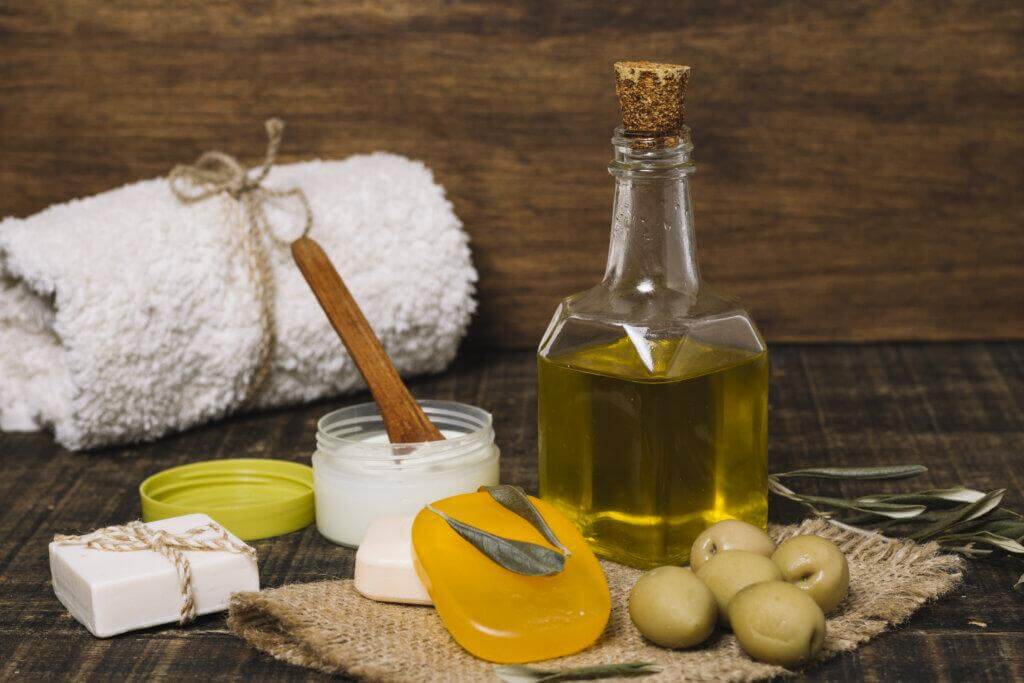
Using olive oil for skin and hair is one of the easiest and most affordable ways to achieve natural beauty results. Whether you’re looking for a deep moisturizer for your skin or a way to tame frizzy hair, olive oil can do it all. Its antioxidants, vitamins, and anti-inflammatory properties make it a powerful addition to your beauty routine.
You might associate olive oil more with the kitchen than your bathroom cabinet, but it’s time to rethink that. Consider using extra virgin olive oil as a natural, effective beauty solution that people have trusted for generations.
FAQs – Olive Leaf
1. What are the benefits of extra virgin olive oil?
Extra virgin olive oil contains antioxidants, vitamins (like E and K), and healthy fats. It helps reduce inflammation, supports heart health by lowering bad cholesterol, and protects your cells from damage. Plus, it’s great for your skin and hair, providing deep hydration and anti-aging health benefits.
2. Is olive oil better than other cooking oils?
Yes, extra virgin olive oil stands out because it’s rich in monounsaturated fats, and healthier for your heart as compared to butter or coconut oil.
It also contains natural antioxidants that other refined oils lack, making it one of the healthiest oils for cooking.
3. Can olive oil help with weight loss?
Olive oil can support weight loss when used in moderation. The healthy fats in olive oil help you feel fuller longer, reducing the urge to snack on unhealthy foods. However, like any fat, it’s still calorie-dense, so portion control is key.
4. How does olive oil support skin health?
Olive oil is an excellent natural moisturizer thanks to its rich vitamin E content and antioxidants. It helps protect the skin from free radical damage, which can lead to premature aging. Olive oil can also soothe irritation and reduce dryness, making it perfect for both sensitive and dry skin types.
5. Can olive oil help with hair care?
Yes, olive oil can deeply nourish and moisturize your hair. It reduces frizz, adds shine, and can even help with dandruff by soothing the scalp. Regular use strengthens the hair, making it look healthier and more vibrant.
6. Is it okay to use olive oil on oily or acne-prone skin?
Contrary to popular belief, olive oil can be beneficial even for oily or acne-prone skin. It doesn’t clog pores and its anti-inflammatory properties can help reduce acne. However, it’s always a good idea to use a small amount and avoid overdoing it.
7. Can olive oil improve digestion?
Yes, olive oil known to promote healthy digestion. It helps stimulate the production of digestive enzymes and supports the smooth functioning of the digestive system. This can help prevent issues like constipation and bloating.
8. Is olive oil good for cholesterol?
Extra virgin olive oil lowers LDL (bad) cholesterol levels and increases HDL (good) cholesterol. This makes it an excellent choice for heart health and reducing the risk of cardiovascular diseases.
9. What’s the difference between extra virgin and regular olive oil?
Extra virgin olive oil is less processed and retains more nutrients, antioxidants, and flavor compared to regular olive oil.
For beauty and health purposes, extra virgin is usually the better option.
10. Can you use olive oil as a makeup remover?
Absolutely! Olive oil can gently remove makeup without stripping your skin’s natural oils. It’s especially effective for removing waterproof makeup and mascara, leaving your skin soft and moisturized.
11. How should I store olive oil?
To keep olive oil fresh, store it in a cool, dark place, away from heat and light. Exposure to sunlight or high temperatures can cause it to go rancid faster, affecting its taste and nutritional value.
12. Can olive oil help with inflammation?
Yes, olive oil contains oleocanthal, a compound with anti-inflammatory properties similar to ibuprofen. Regularly consuming olive oil helps reduce chronic inflammation, which link’s to many diseases.
13. How much olive oil should I consume daily?
Experts often recommend about 1 to 2 tablespoons of olive oil every day to enjoy its health benefits.
This amount is enough to improve heart health, aid digestion, and provide a healthy dose of antioxidants.
In addition to Olive oil, other natural foods like pomegranates, bananas, grapes, and Black seed offer remarkable health benefits. Pomegranates are rich in antioxidants and can support heart health, reduce inflammation, and improve memory Grapes, especially red and purple varieties, contain resveratrol, a powerful antioxidant that may protect against heart disease and slow down aging. Including a variety of these nutrient-dense foods in your diet can enhance your overall well-being and contribute to long-term health.