Omega-3 fatty acids are among the most comprehensively studied nutrients in modern medical science. Because the human body cannot produce these essential fats on its own, they must be obtained through fatty fish or high-purity dietary supplements.
Yet, walk into any pharmacy or supermarket and you will see dozens of low-cost fish oil bottles. Here is an evidence-based look at the biological differences between EPA and DHA, and why the molecular form of your fish oil determines whether your body absorbs it or simply wastes it.
1. The EPA vs. DHA Breakdown: Two Distinct Roles
A quality fish oil supplement must contain high concentrations of the two most biologically active long-chain omega-3s:
- EPA (Eicosapentaenoic Acid): The primary anti-inflammatory powerhouse. EPA is converted into cellular signaling molecules (eicosanoids) that help modulate systemic inflammation, soothe stiff joints, and support cardiovascular endothelial function.
- DHA (Docosahexaenoic Acid): The structural architect. DHA represents approximately 30% of all structural lipids inside the cerebral cortex and retina, making it indispensable for memory, mental processing speed, and eye moisture.
Looking for Doctor-Recommended, Burp-Free Fish Oil?
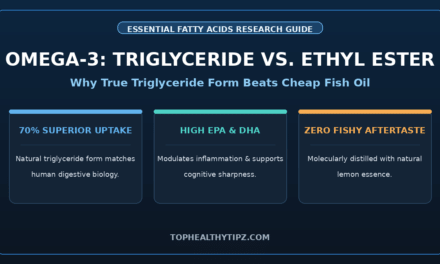
Nordic Naturals Ultimate Omega (1280mg) delivers concentrated EPA & DHA in true triglyceride form for 70% superior absorption with a natural fresh lemon taste.
2. The “Triglyceride Form” vs. Cheap Synthetic Fish Oil
The biggest secret in the supplement industry is the manufacturing process:
- Cheap Synthetic Fish Oil (Ethyl Esters): To concentrate fish oil quickly and cheaply, manufacturers use ethanol to create synthetic ethyl esters. These artificial fats are absorbed up to 70% slower and frequently cause unpleasant fishy burps.
- True Triglyceride Form: Premium brands re-esterify the fatty acids back into their natural triglyceride structure. Your digestive enzymes recognize this molecular shape immediately, ensuring rapid, smooth lymphatic absorption without digestive distress.
3. Key Whole-Body Health Benefits
A. Joint Comfort & Flexibility
High-dose EPA works synergistically alongside botanicals like Turmeric to calm inflammatory pathways within synovial joint fluid, supporting smoother movement in knees and hips.
B. Cognitive Clarity & Mood Support
Regular daily intake of DHA supports optimal neurotransmitter receptor fluidity, helping combat afternoon brain fatigue and mental sluggishness.
C. Cardiovascular Integrity
Clinical trials demonstrate that regular Omega-3 supplementation helps maintain healthy blood pressure, arterial elasticity, and optimal triglyceride levels.
4. Best Time of Day to Take Fish Oil
Always take fish oil with your largest meal of the day (lunch or dinner) that contains other healthy dietary fats. Digesting fats triggers the release of bile and pancreatic lipase enzymes, which are necessary to break down and absorb fatty acids.
Frequently Asked Questions
Does fish oil go rancid?
Yes. Low-grade oils can oxidize quickly. Always look for molecularly distilled, third-party tested brands that publish certificates of analysis showing non-detectable levels of heavy metals and oxidation.
Can I take Omega-3 with other daily vitamins?
Yes. Omega-3s pair exceptionally well with fat-soluble vitamins (like Vitamin D3, Vitamin E, and Vitamin A), significantly enhancing their absorption.
Disclaimer: This article is for educational purposes only and does not substitute for medical advice. Individuals taking prescription blood thinners should consult their physician before using high-dose fish oil.